Traveling alone is neither escape nor eccentricity. It is a matter of method. In the Iberian Peninsula, that method finds territory particularly effective at working on the human mind. Silence becomes stimulus. Solitude becomes context. Portugal and Spain offer a kind of natural laboratory where the solo traveler observes, tests, and reorganizes perception itself.
For decades, psychology equated solitude with social isolation. Today, a clear distinction exists between imposed solitude and chosen solitude. Landscape plays a central role in this distinction. Open, low-density environments with predictable rhythms reduce cognitive load and allow the brain to enter states of gentle attention — what neuroscience calls soft fascination. This is where Iberian geography becomes decisive.
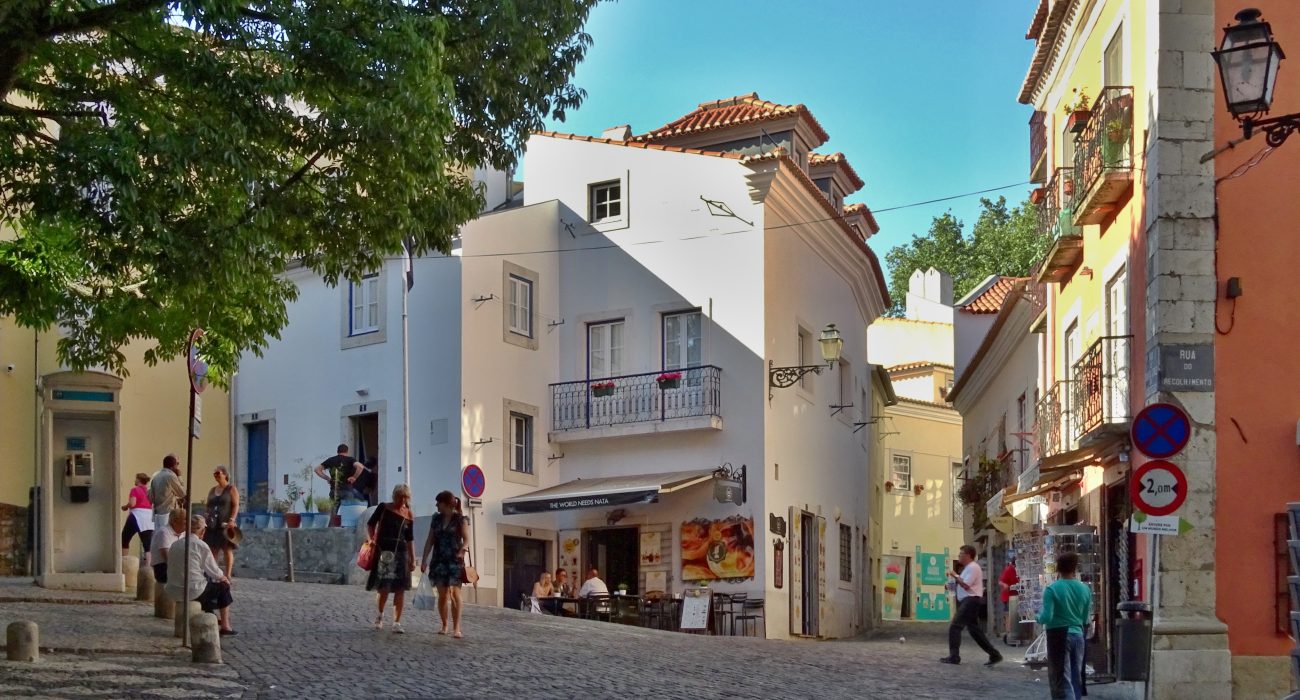
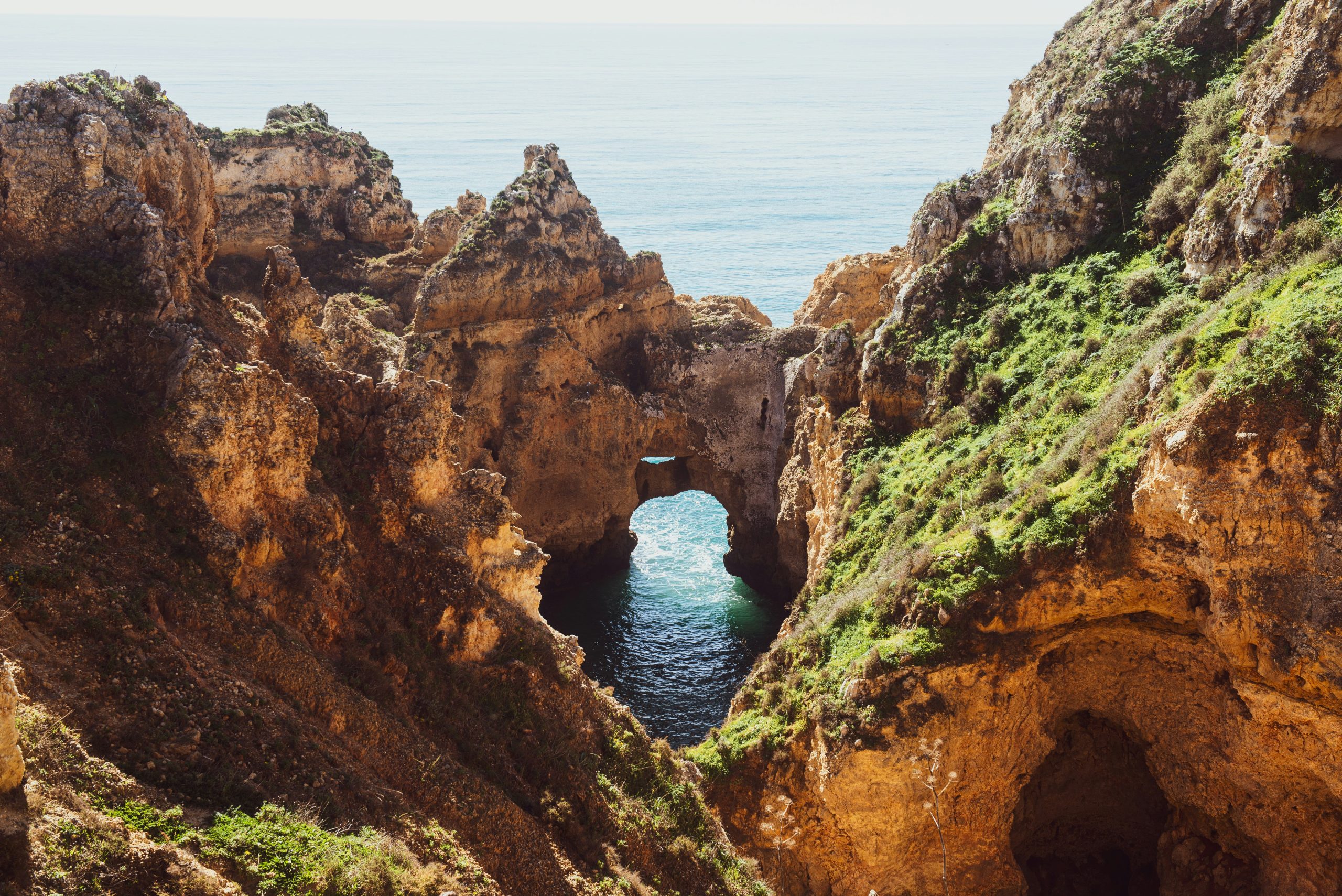
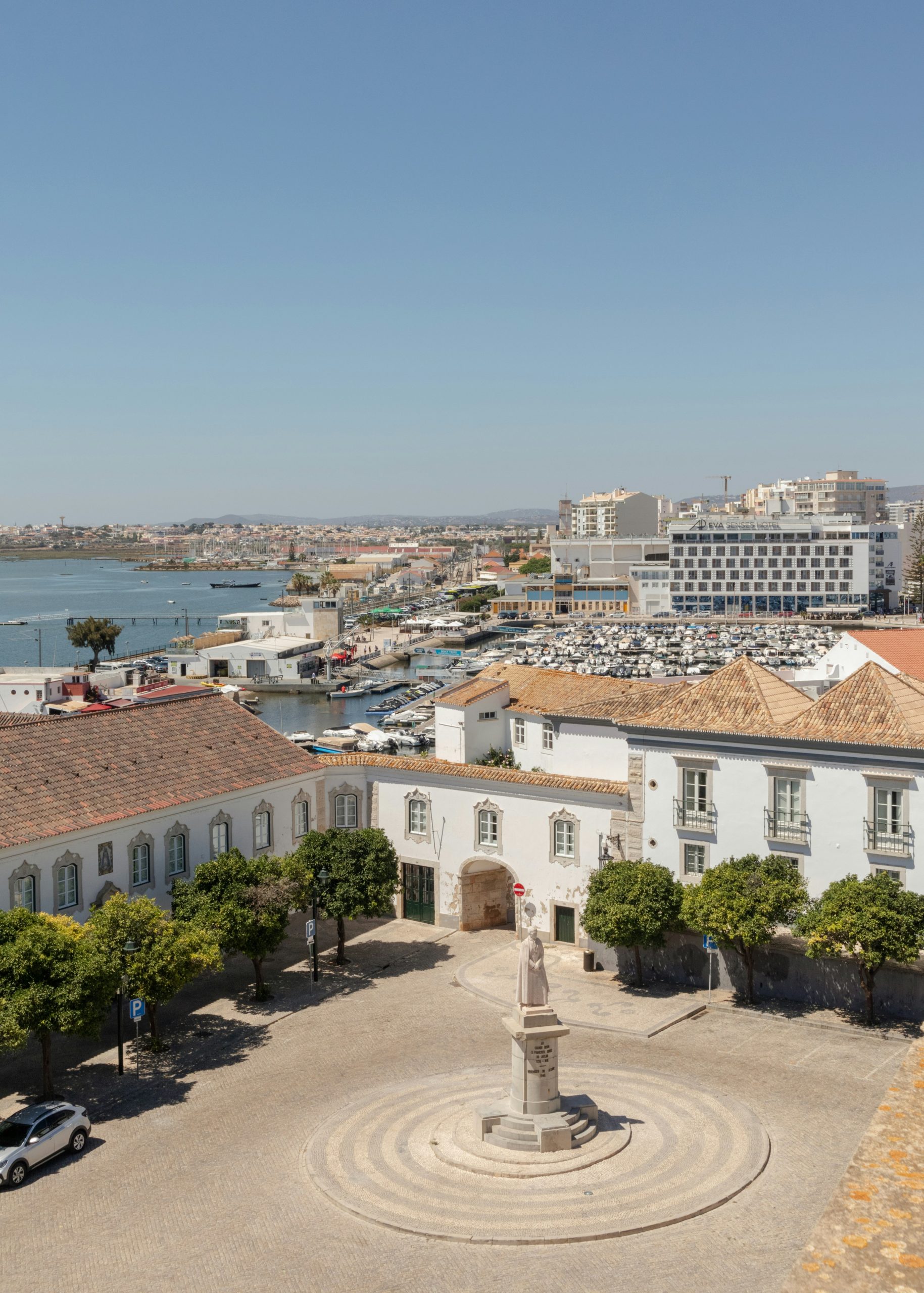
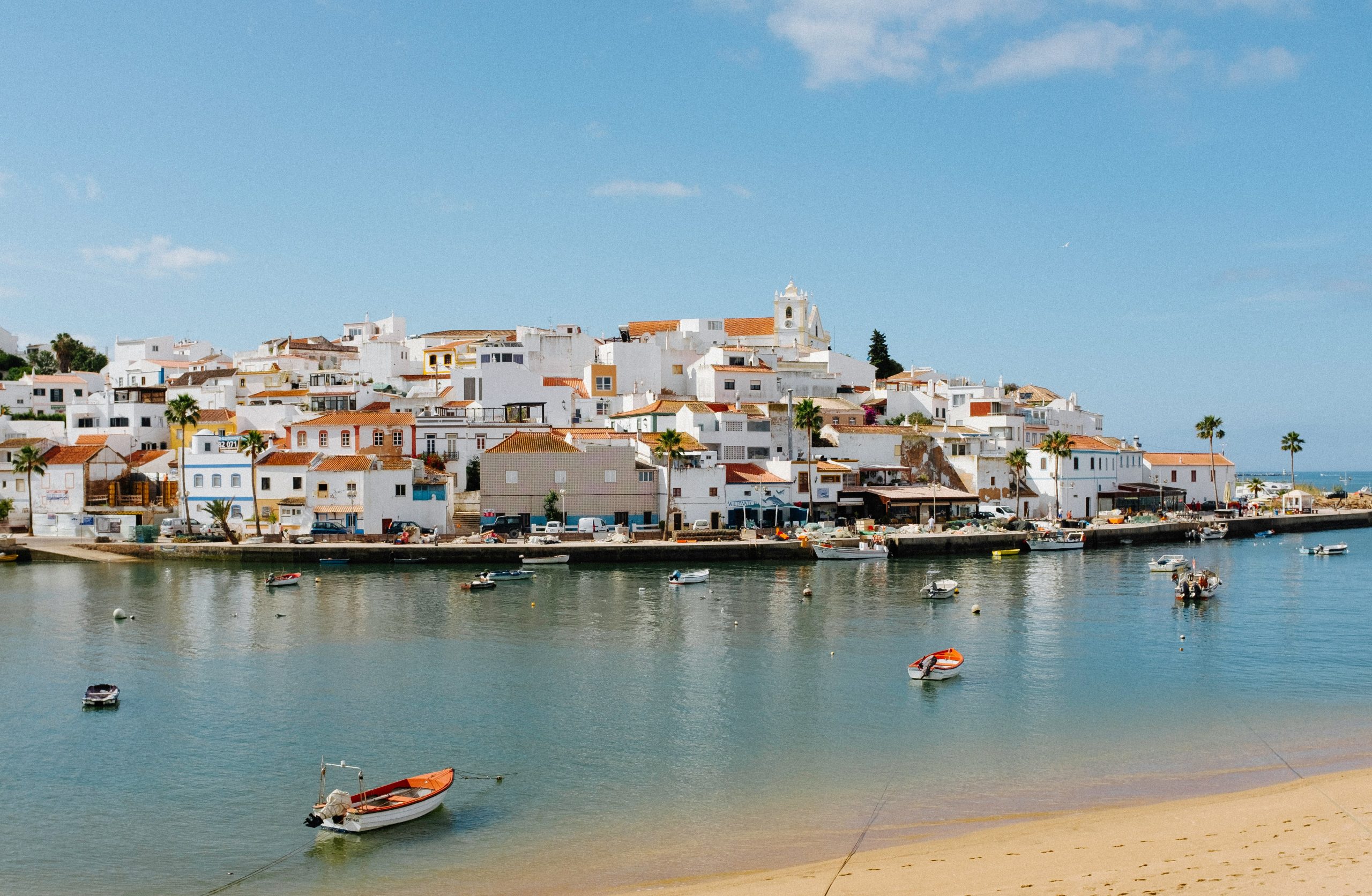
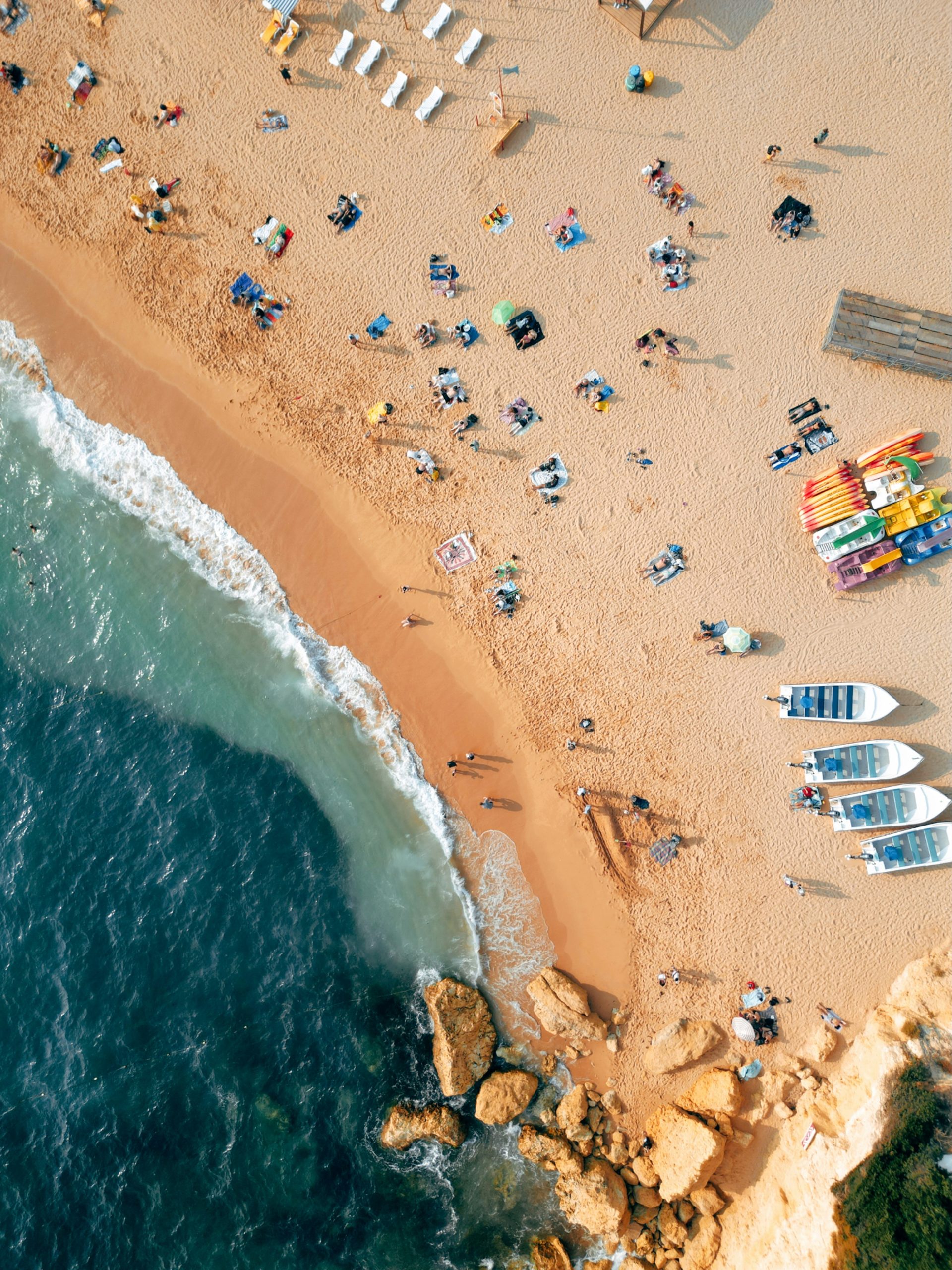
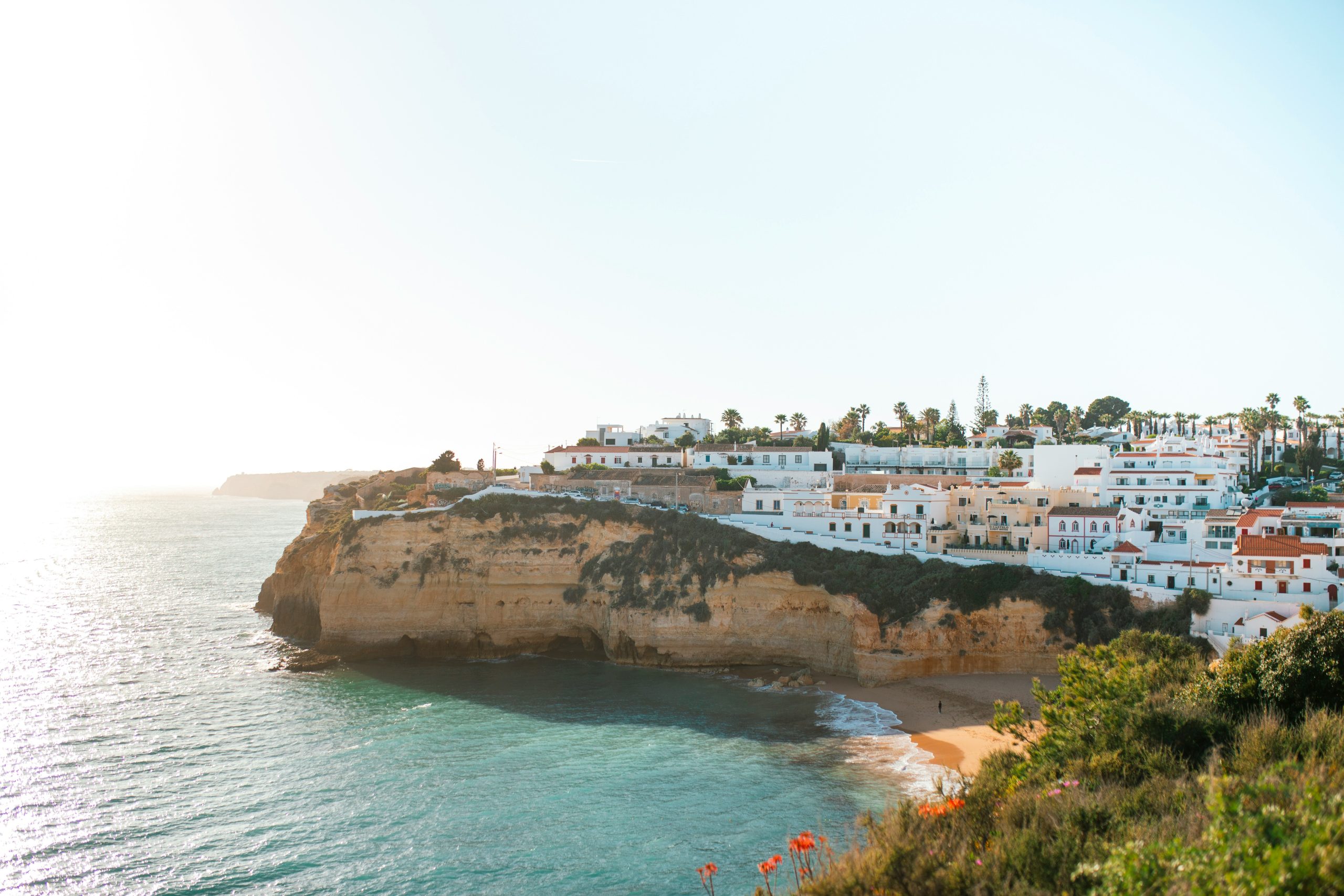
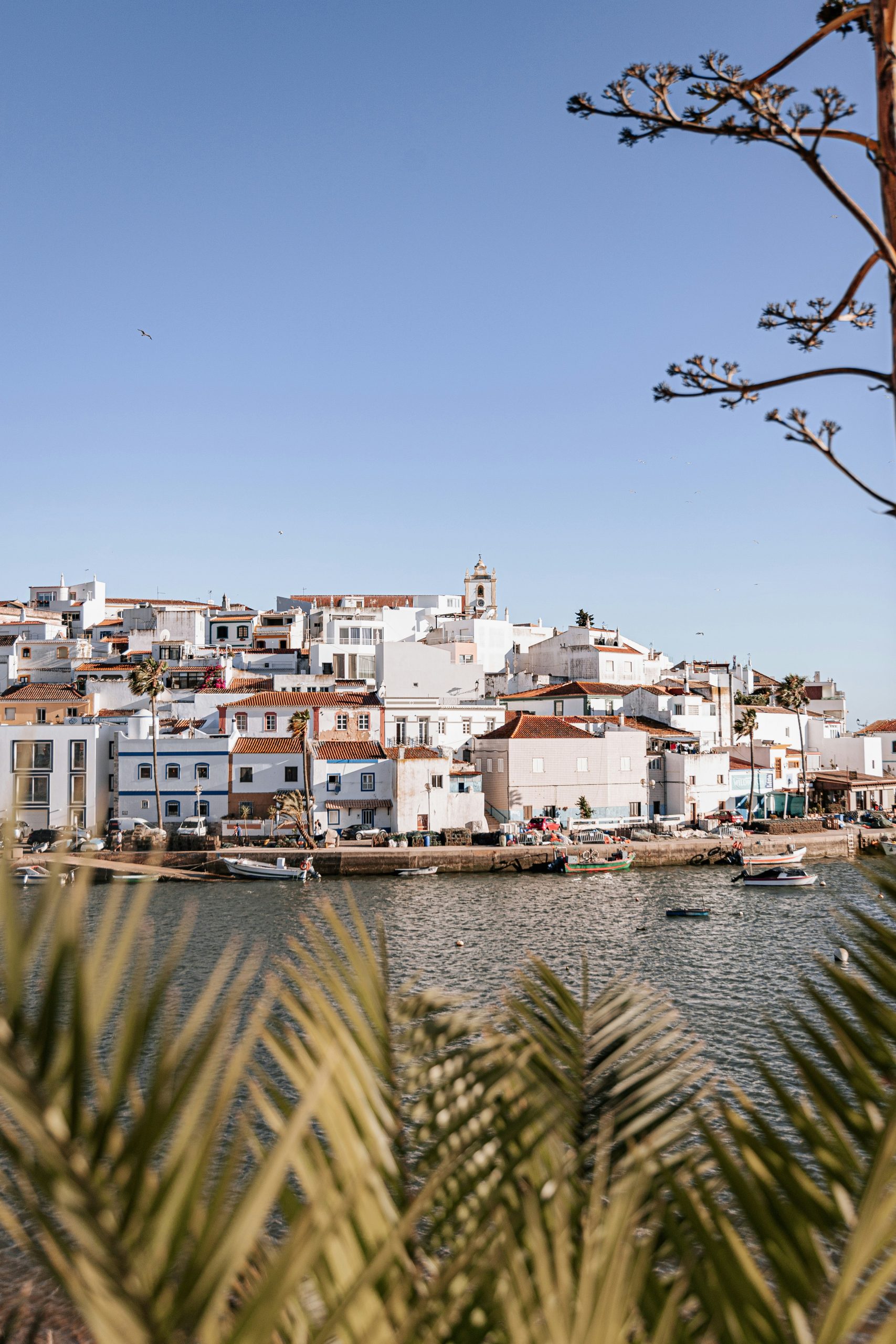
Portugal offers an intimate balance between human scale and vastness. The South, with its continuous horizons and minimal stimuli, encourages prolonged states of introspection. The Atlantic coast, especially outside peak season, imposes another form of solitude: repetitive, sonic, almost hypnotic.
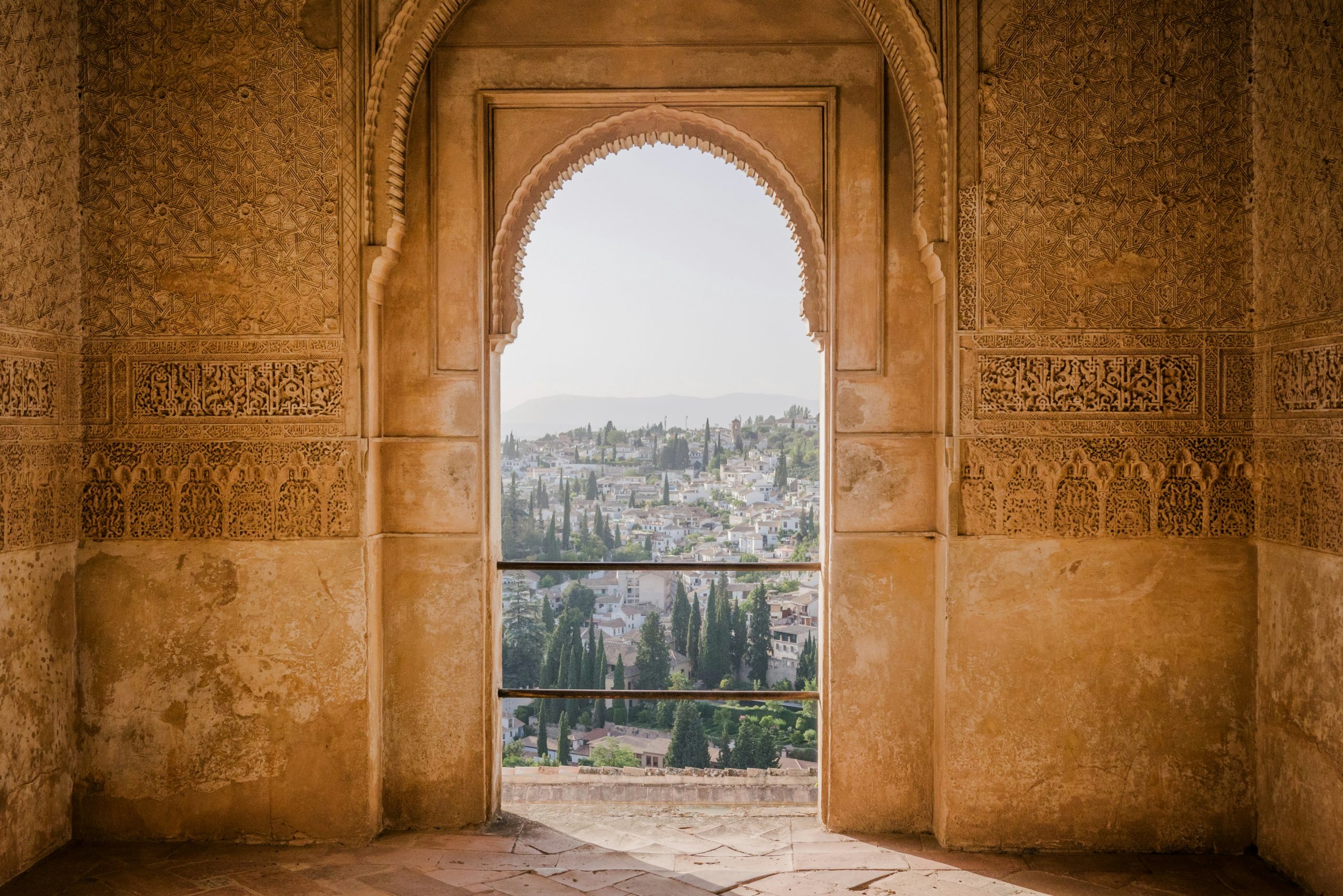
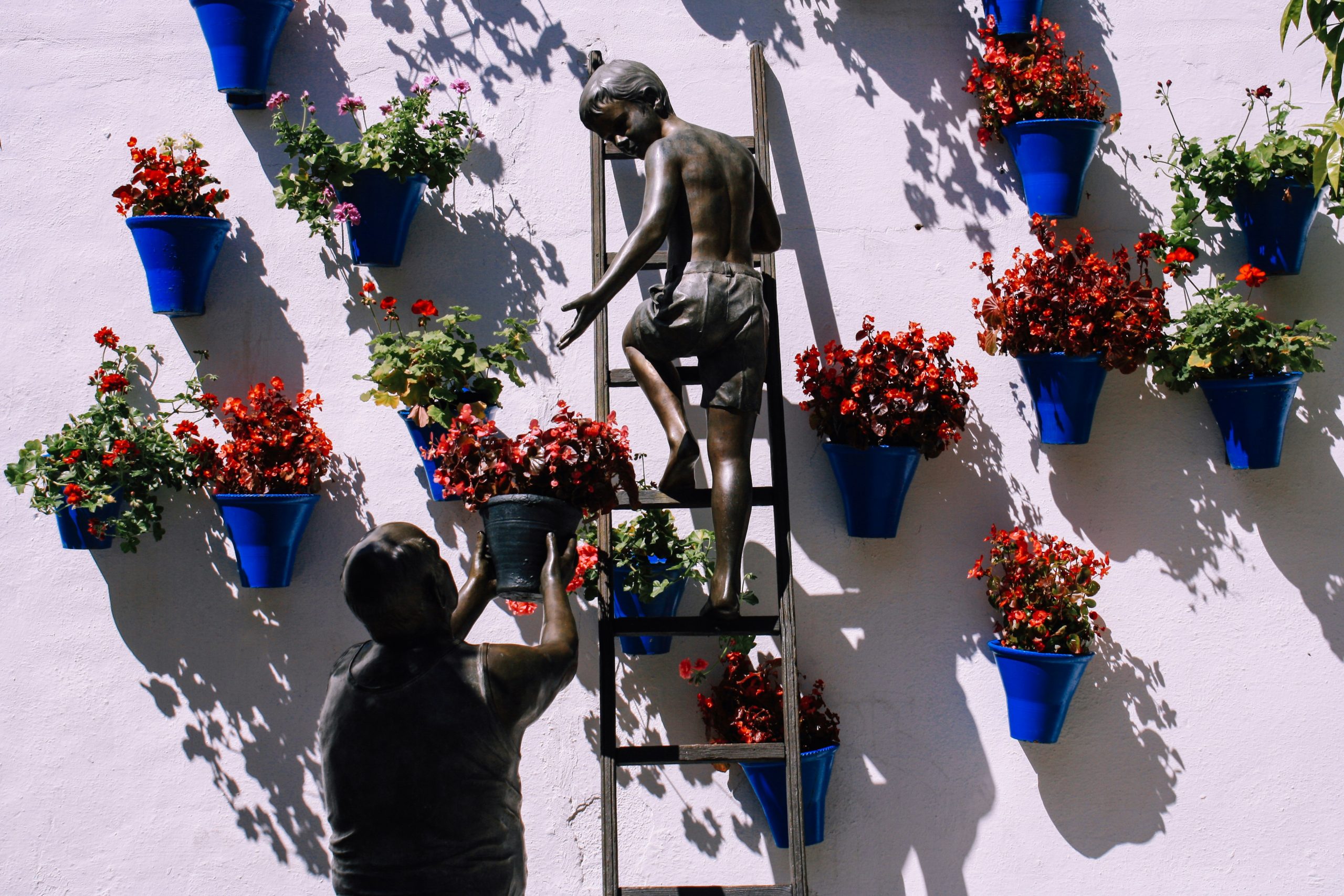
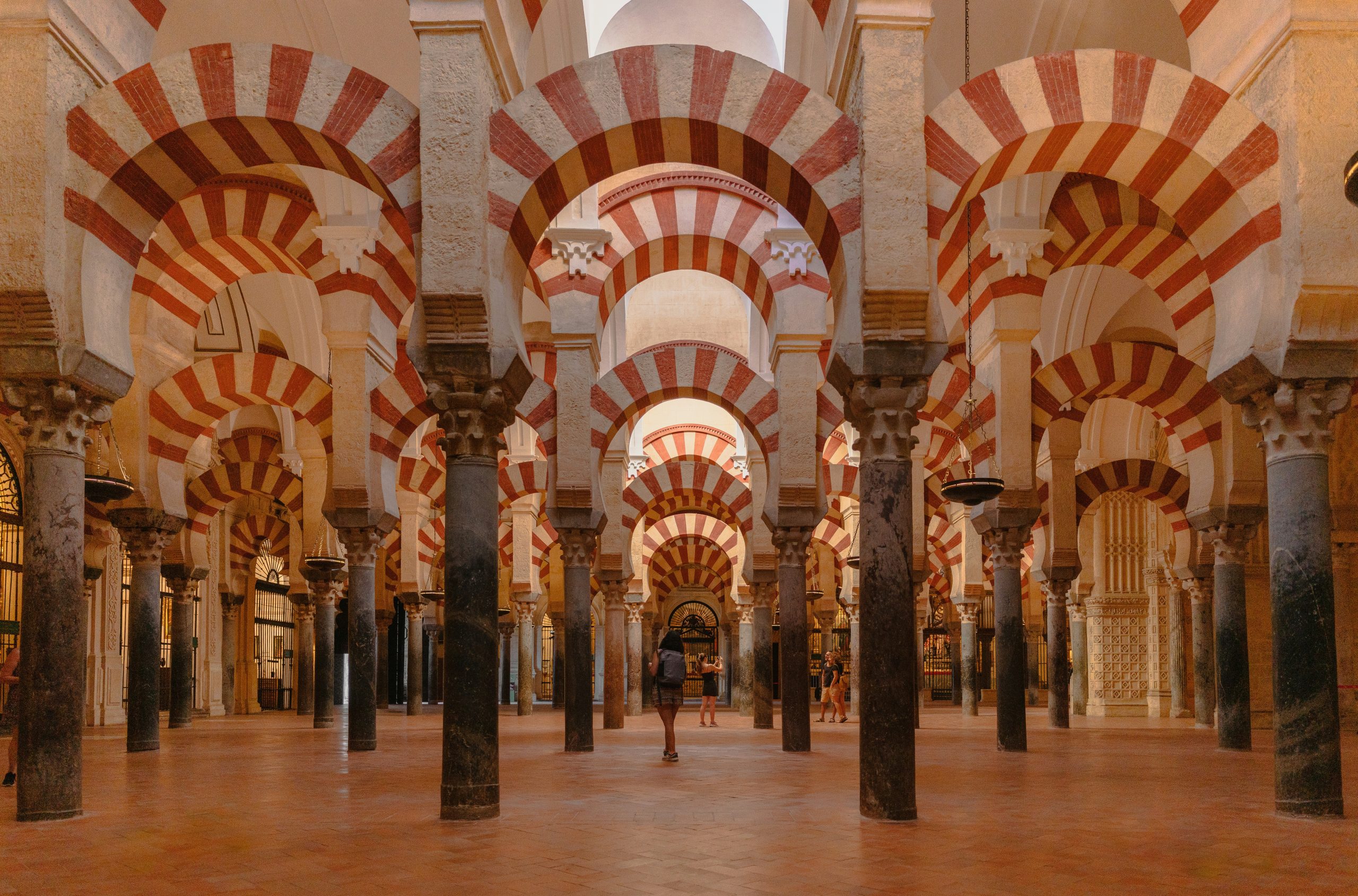
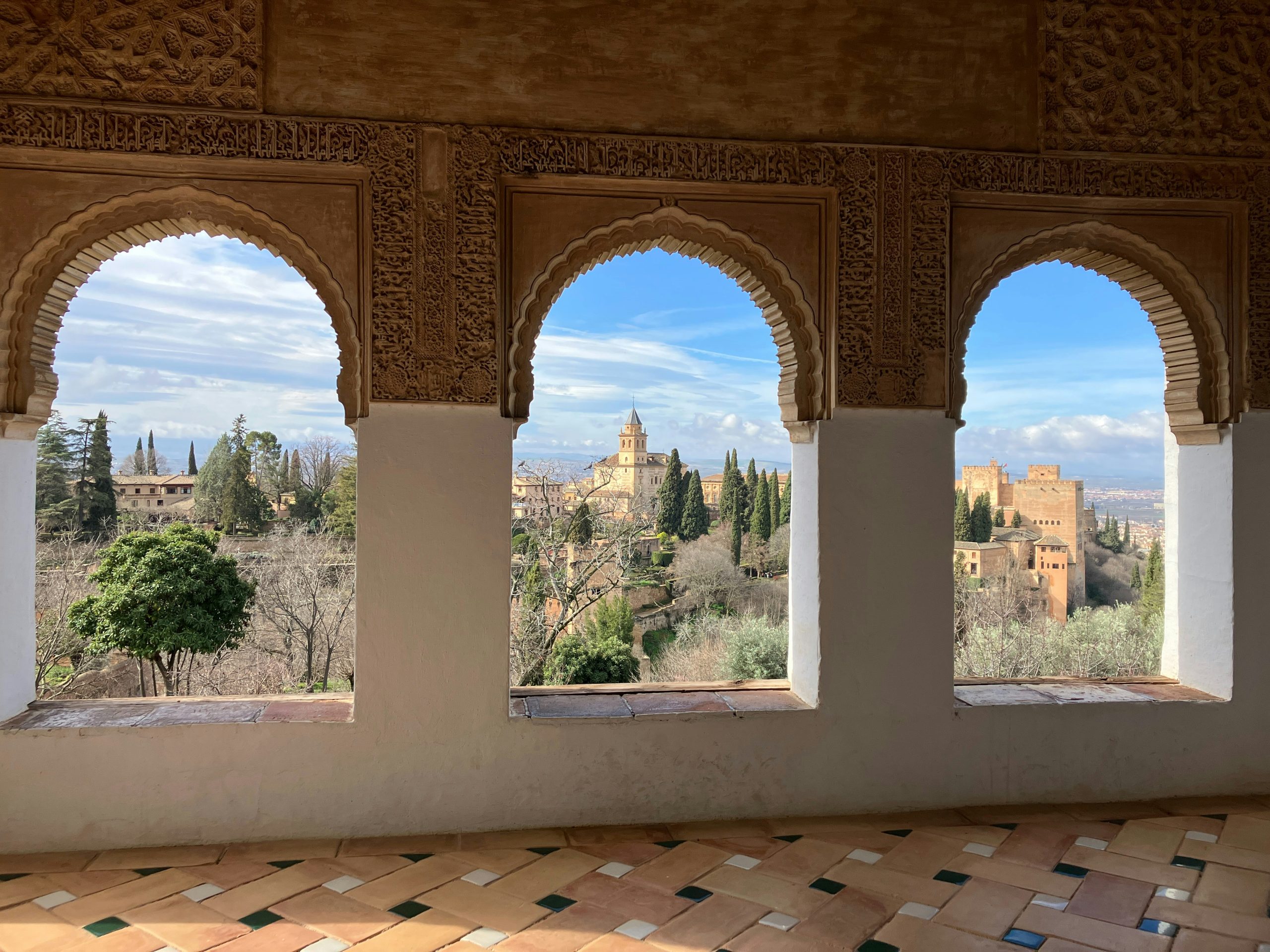
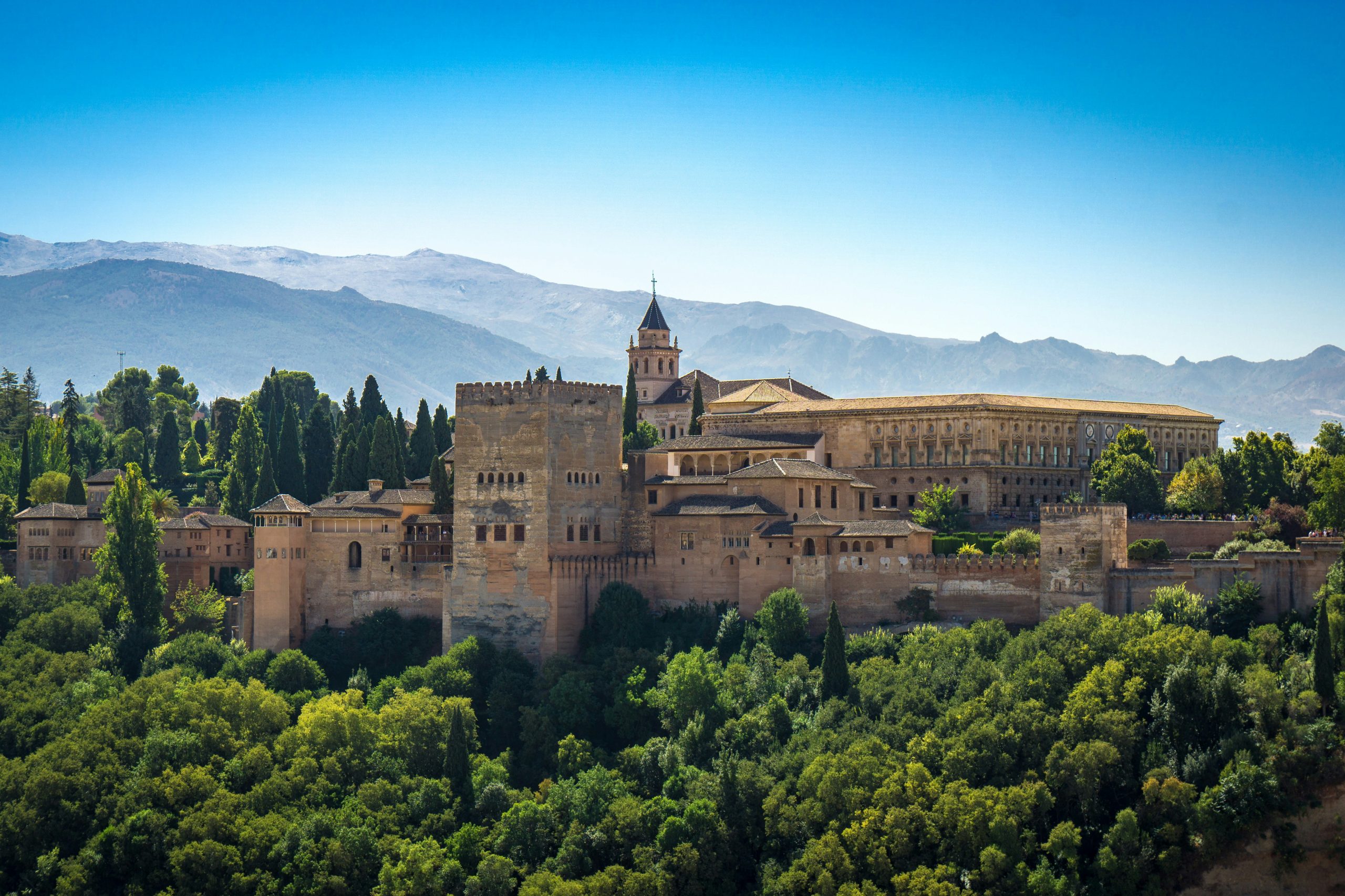
Spain adds contrast and controlled tension. Traveling alone in cities like Córdoba or Granada does not overwhelm, provided you move unaccompanied. The solo traveler adopts a different rhythm. Observes without negotiating. Absorbs without having to explain.
Luxury here is not material. It is time, predictability, and mental space. The Peninsula allows for slow movement, solitary meals without social awkwardness, small hotels where anonymity is respected. All of this reduces social micro-decisions and frees energy for deeper processes. Thinking more clearly. Feeling more precisely. Remembering with greater accuracy.
Portugal and Spain consistently offer these intervals through a rare combination of safety, beauty, and restraint. For the solo traveler, they’re not destinations. They are mental devices. A geography that fine-tunes. A landscape that returns us to what matters most.