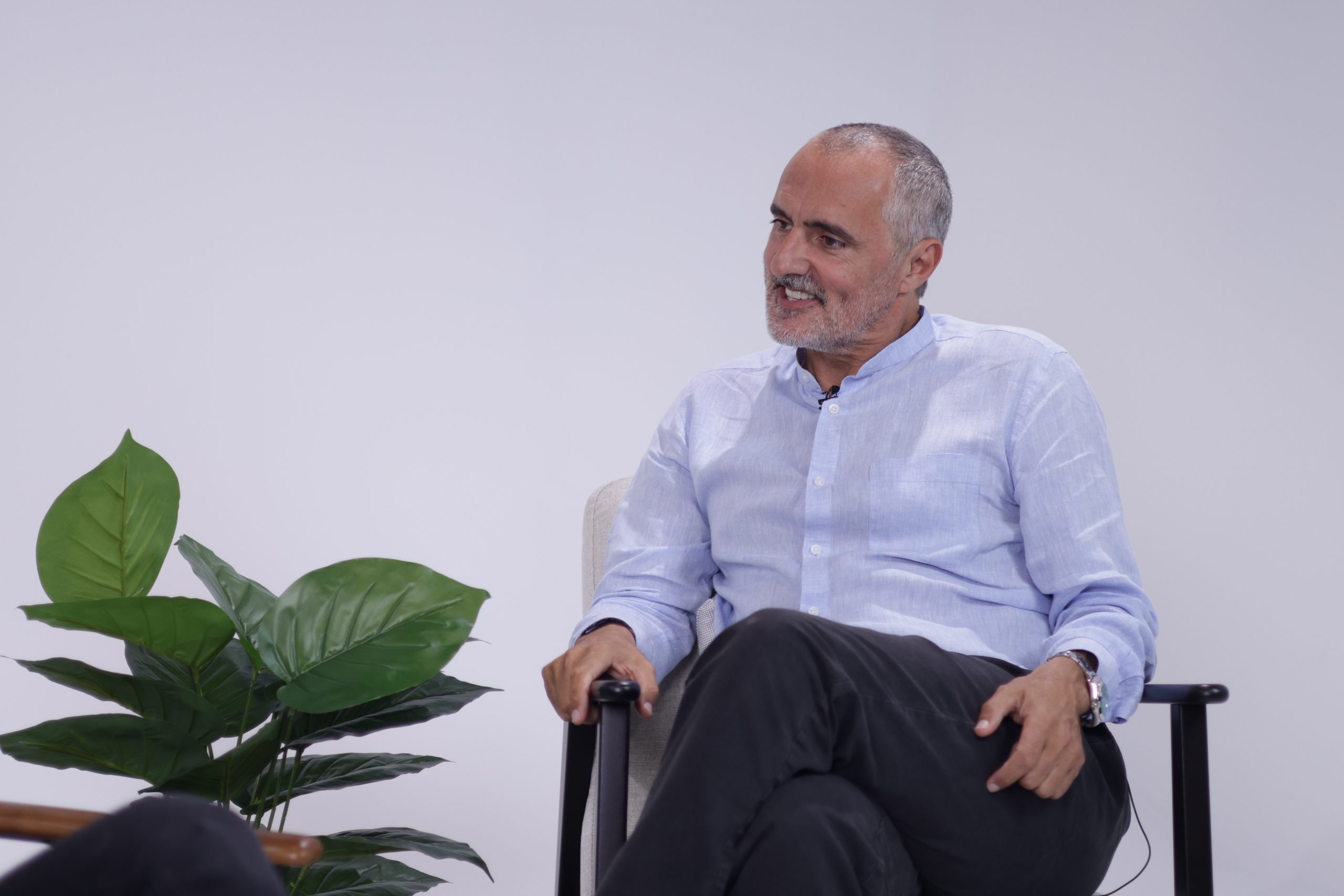
Some stories begin on sailboats. Manuel’s started with one – or rather, with six people crammed aboard a vessel his father commandeered into the Indian Ocean. The family, expelled from their African home, traced ancient Portuguese navigation routes back to Lisbon. Decades later, this same ocean-crossing spirit would anchor Manuel and his wife, Heleen, to a crumbling 14th-century palace in Alfama, the old Moorish district of Lisbon.
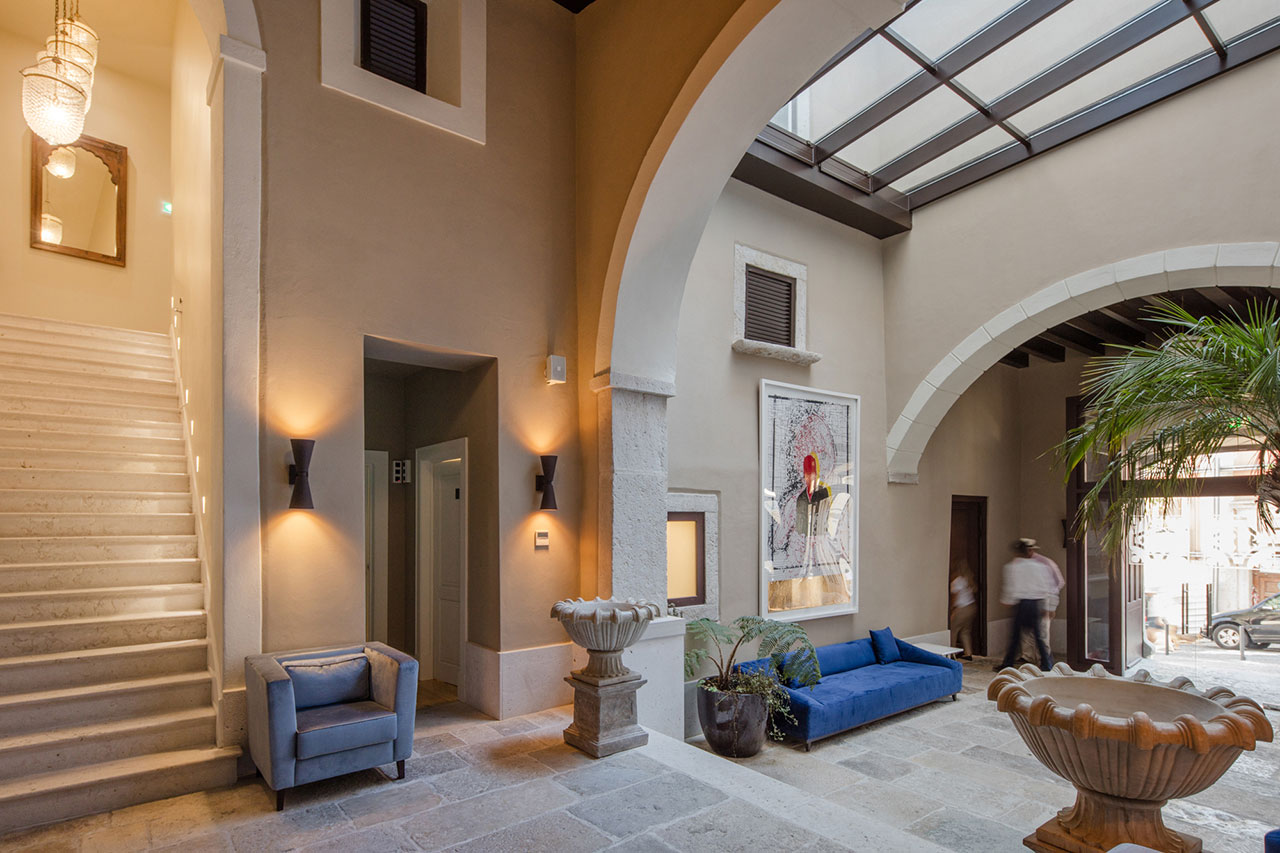
That palace is now Santiago de Alfama, a 19-room boutique hotel that TripAdvisor crowned the world’s best luxury hotel. But calling it merely luxurious misses the plot. This is a place where Roman amphitheater stairs become your elevator shaft, where wine ages in ancient baths, and where every floorboard whisper secrets from the Great Earthquake of 1755.



THE COUPLE BEHIND THE DREAM
Manuel spent years as an engineer in London and New York, playing the corporate game. His Dutch wife, Heleen, had different ideas. An artist with a poetic soul, she felt the pull of Lisbon’s pastel buildings and tilted streets. She started restoring old structures in the city’s Chiado district, creating a hotel that topped international rankings for Portugal.
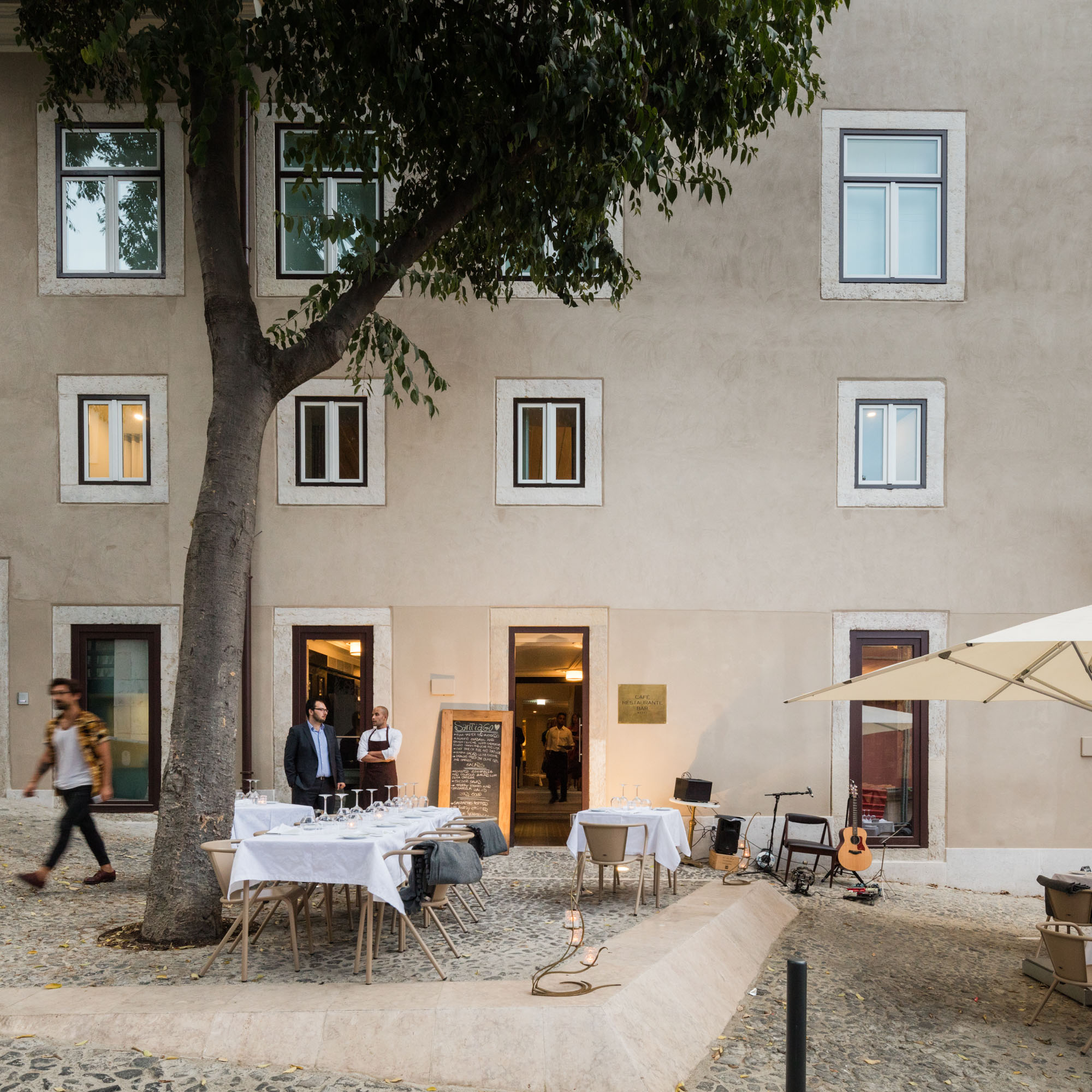
But Alfama called louder. “The Santiago de Alfama is my wife’s hotel”, Manuel admits with a grin. “I work for my wife!” Together, they found a ruined palace on Rua de Santiago – boxes had been manufactured there for years – and saw past the debris to the bones beneath.
The restoration became an archaeological thriller. Behind one wall? The rear section of a Roman construction. Manuel describes the moment with the fervor of a treasure hunter: “That stairwell you see is actually the stairwell for the amphitheater”. Building a five-star hotel around such finds required what he calls “financial determination” – a phrase that undersells the ambition. They hired Portugal’s finest construction firm, who suspended the entire building on hydraulic jacks, then blasted 17 meters into bedrock to create staff quarters and infrastructure. It was surgery on a grandmother who’d survived revolutions and earthquakes.
“Secrets”, Manuel notes, “whisper from the ancient walls”.
A NEIGHBORHOOD STEEPED IN MYTH
Alfama is not just old – it is ancient in a way that makes your hometown feel like a shopping mall. The name itself comes from the Arabic “al-hamma”, meaning bath, a nod to the Moors who ruled here for four centuries. When the Portuguese reclaimed Lisbon, they found Roman palaces filled with hammams. Some still exist. One now stores wine at the hotel’s bar, Audrey’s, keeping bottles at the perfect temperature the way Romans intended.
Walk 15 meters from the hotel’s entrance and you will find the church where Christopher Columbus married Filipa Moniz Perestrelo in the late 1400s. Back then, entrepreneurs with “PowerPoint presentations” (Manuel’s words) would pitch the Portuguese king for funding to discover new lands. Columbus was one of them. Alfama was the Silicon Valley of the Age of Discovery.
The neighborhood survived the 1755 earthquake that leveled most of Lisbon, thanks to its hilly bedrock. Its narrow streets still lean inward, buildings nearly kissing overhead. “Secrets”, Manuel notes, “whisper from the ancient walls”. If you listen carefully between the fado singers and Portuguese guitar players drifting from open windows, you might hear them.




WHAT AWAITS YOU
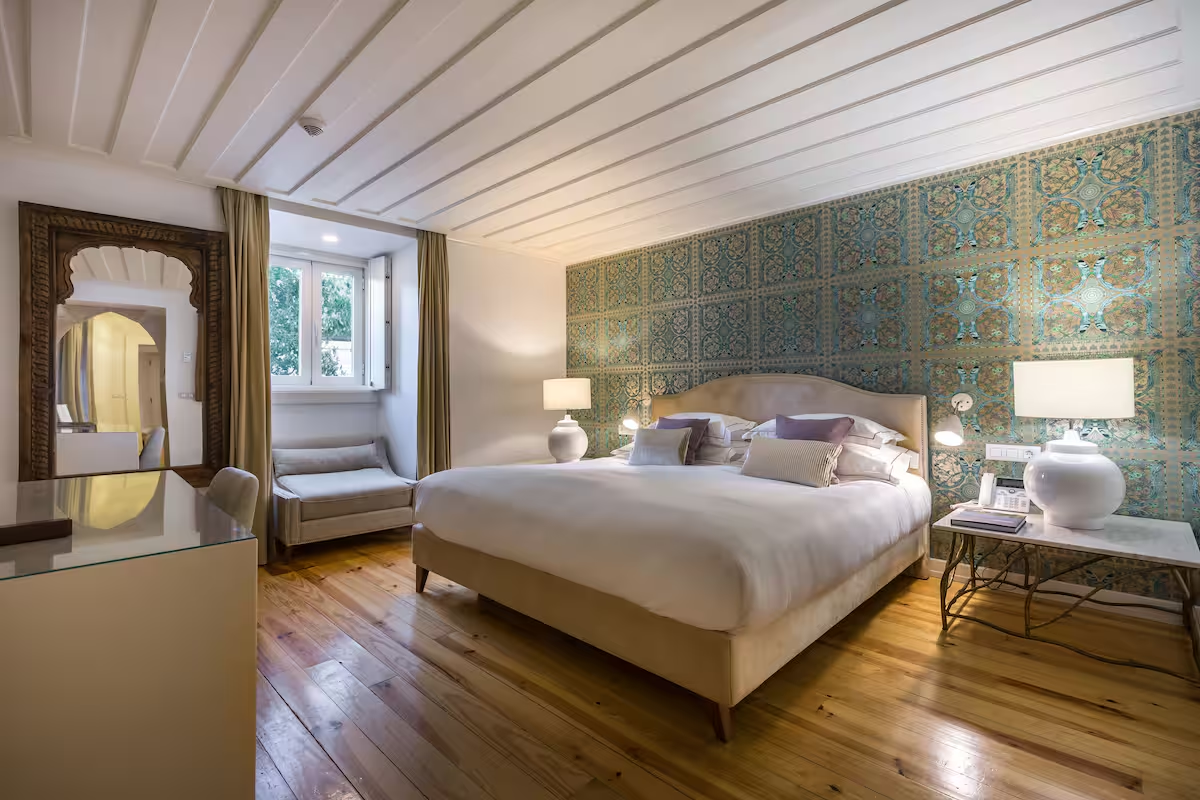
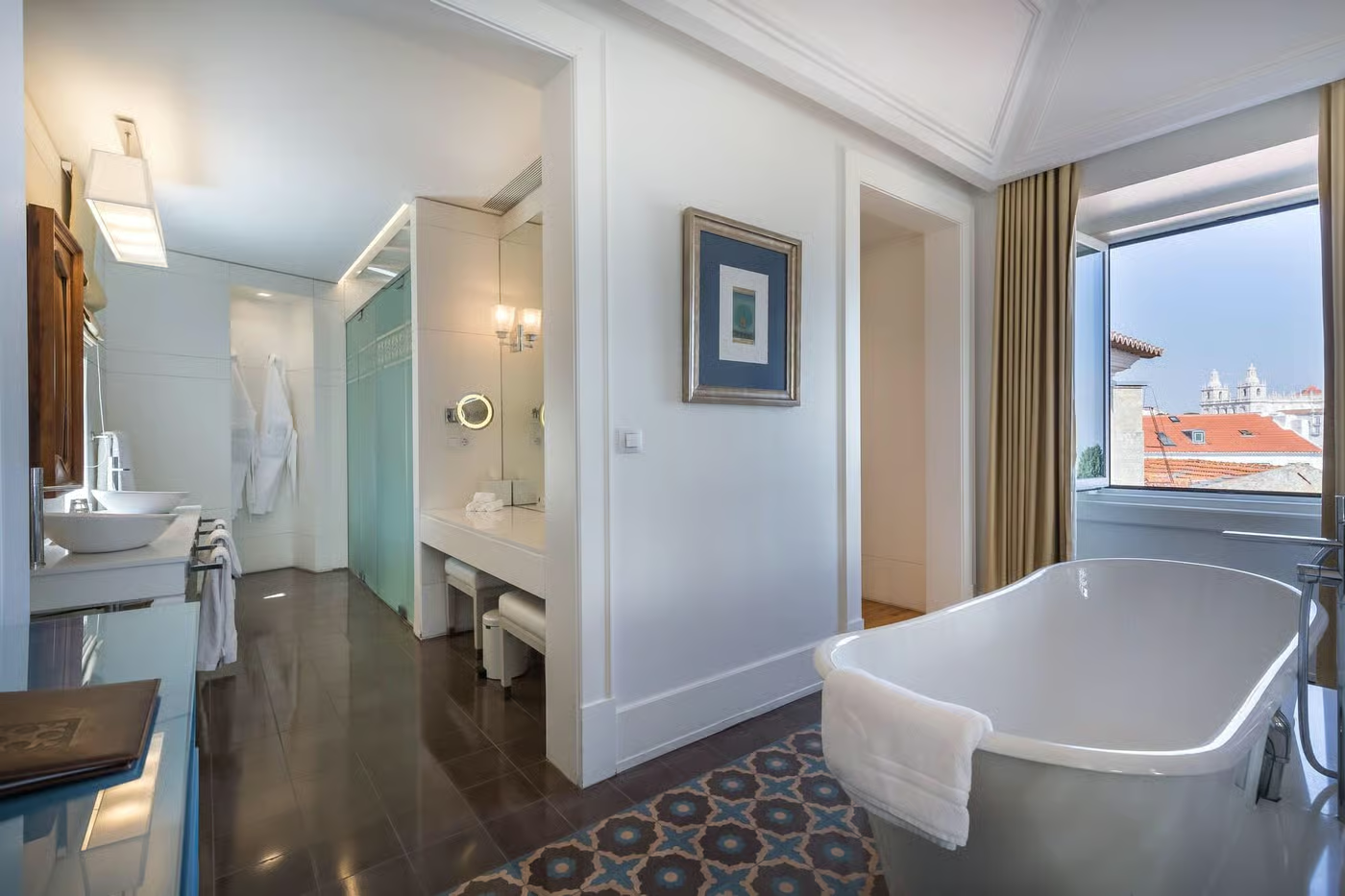
Santiago de Alfama offers 19 rooms, each a study in Portuguese charm blended with contemporary comfort. No two are identical. Some overlook Alfama’s pastel rooftops cascading toward the Tagus River, where swallows nest in spring. Others gaze toward São Jorge Castle, looming protectively above. The design philosophy? Thoughtful details over ostentatious flash. Warmth over wow factor. It is the kind of place where you actually want to spend time in your room instead of treating it like a glorified closet.
Need pampering? The Beauty Bar occupies the lower ground floor, a serene urban retreat offering facials, massages, waxing, and nail services. Book it out for a pre-wedding party. Order canapés from Audrey’s. Make a day of it.
HISTORY IS ALL YOURS
“We love what we do”, Manuel says. “We love the history behind the building”. That passion seeps into every corner. Guests staying in the palace next door participate in what he calls “personal private archaeology”. “These buildings are like grandmothers”, he explains. “They saw the Great Earthquake in 1755 and the democratic revolution in 1974”. Staying here means touching centuries of human memory.
So come for the Michelin Key. Come for the TripAdvisor crown. But stay for the story – the one written in ancient stone, Roman stairs, and the determined love of two people who refused to let a palace become a footnote. When you leave, you will not just remember a hotel. You will remember the moment you stood on the amphitheater stairs and realized: history is not something that happened. It is where you slept last night.

